Petrol and Diesel Prices January 2026
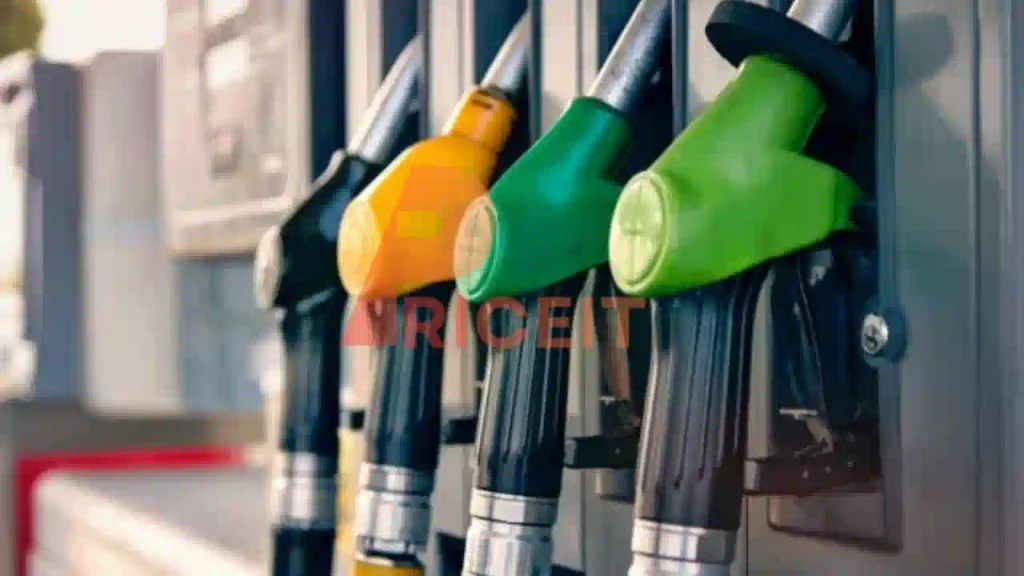
Current Petrol and Diesel Prices (Monthly Update)
| Fuel Type | Price (PKR/Litre) |
|---|---|
| Petrol (Super) | 253.17 |
| High Speed Diesel (HSD) | 257.08 |
| Light Diesel Oil (LDO) | 159.76 |
| Kerosene Oil | 176.81 |
Note: Prices are indicative and may vary slightly by city or region.
Read this: Solar Water Pump
Understanding Petrol and Diesel Prices
Petrol and diesel prices affect nearly every aspect of daily life. Petrol and diesel prices determine transport costs, influence household budgets, and even impact the prices of food, electricity, and goods. When petrol and diesel prices rise, everything becomes more expensive. When petrol and diesel prices drop, consumers and businesses feel relief. Millions of people search online daily to check petrol and diesel prices, understand the reasons behind fluctuations, and predict future trends. In this detailed guide, you will learn everything about petrol and diesel prices—how they are set, why they change, their economic impact, and how you can prepare for price shifts.
What Are Petrol and Diesel Prices?
Petrol and diesel prices refer to the retail price consumers pay at fuel stations per liter. These prices are determined by a combination of international crude oil rates, government taxes, refining costs, transportation, and currency value. Understanding petrol and diesel prices is important because they affect not just your car or bike but the overall economy.
- Petrol: Mainly used in private cars, motorcycles, and light transport vehicles.
- Diesel: Used in trucks, buses, generators, and agriculture machinery, making it crucial for business and industry.
Why Petrol and Diesel Prices Are Always Changing
Petrol and diesel prices rarely remain constant. There are several reasons why prices go up or down:
1. International Crude Oil Rates
Crude oil is the raw material for petrol and diesel. When global oil prices rise due to conflicts, supply cuts, or increased demand, petrol and diesel prices naturally increase.
2. Currency Exchange Rates
Most countries import crude oil in US dollars. A weaker local currency means higher costs for fuel imports, increasing petrol and diesel prices.
3. Government Taxes and Levies
Taxes make up a large portion of fuel prices. Any increase in fuel-related taxes directly raises petrol and diesel prices.
4. Refining and Transportation Costs
Crude oil must be refined and transported to fuel stations. Increased refining expenses, maintenance costs, or distribution charges can make petrol and diesel prices higher.
5. Demand and Supply Pressure
Higher demand for petrol and diesel, especially during holidays, harvest seasons, or industrial booms, can drive prices up.
Petrol vs Diesel Prices: Key Differences
Although both fuels come from crude oil, petrol and diesel prices differ due to:
| Feature | Petrol | Diesel |
|---|---|---|
| Usage | Cars, motorcycles | Trucks, buses, generators |
| Price Sensitivity | Less impact on economy | Strong impact on inflation |
| Government Subsidies | Often lower | Sometimes higher |
| Industrial Dependence | Low | High |
Diesel is more widely used for businesses and logistics, making its price fluctuations more impactful.
Read this: Electricity Unit Price in Pakistan
Economic Impact of Petrol and Diesel Prices
Transport Costs
When petrol and diesel prices rise:
- Bus and taxi fares increase
- Delivery costs for goods go up
- Freight charges impact everything from groceries to construction materials
Food Prices
Diesel powers farming machinery and food transportation. Higher diesel prices mean higher food costs.
Electricity and Power
Diesel-fueled power plants increase electricity bills during fuel price hikes. Backup generators for industries and homes also become more expensive.
Inflation
Fuel prices drive overall inflation, affecting household budgets and reducing purchasing power.
How Petrol and Diesel Prices Are Decided
Fuel prices are calculated using:
- International crude oil cost
- Import charges and currency value
- Refining expenses
- Transportation and storage costs
- Government taxes and levies
- Dealer margins
This detailed structure ensures fuel prices reflect both global and local conditions.
Why Petrol and Diesel Prices Rise Faster Than They Fall
A common observation is that petrol and diesel prices rise quickly but decrease slowly. Reasons include:
- Governments hesitate to reduce taxes when prices fall
- Oil companies adjust retail prices cautiously
- Currency recovery may take time
- Existing fuel inventories cost money
Future Predictions for Petrol and Diesel Prices
Fuel prices remain unpredictable, but trends suggest:
- Potential decrease: If global oil supply increases, demand falls, currency strengthens, or taxes are reduced
- Potential increase: If oil supply is disrupted, geopolitical instability rises, or inflation grows
Climate Policies and Petrol and Diesel Prices
Governments worldwide are promoting clean energy. Policies affect fuel prices by:
- Introducing carbon taxes
- Reducing fossil fuel subsidies
- Encouraging electric vehicle adoption
As a result, petrol and diesel prices may rise over time.
How Consumers Can Reduce Fuel Costs
Though fuel prices are out of individual control, smart strategies can help:
- Drive efficiently and avoid sudden acceleration
- Keep tires inflated correctly
- Combine trips to reduce mileage
- Use public transport when possible
- Regularly service vehicles
Petrol and Diesel Prices vs Electric Vehicles
High petrol and diesel prices are encouraging people to switch to electric vehicles (EVs). EVs offer:
- Lower running costs
- Predictable electricity bills
- Reduced dependence on fuel imports
Public Reaction and Government Measures
Fuel price hikes often cause public unrest, protests, and political debates. Governments may respond by:
- Reducing taxes temporarily
- Offering subsidies for transport
- Controlling dealer margins
- Announcing relief packages
Frequently Asked Questions
Conclusion
Petrol and diesel prices shape household budgets, transport costs, food prices, and the broader economy. While price changes may feel sudden, understanding the causes, trends, and impact allows consumers and businesses to make better decisions. Awareness, planning, and efficient fuel use help mitigate the effects of rising fuel costs.
Read this : Petrol Price in Pakistan Today