Electricity Unit Price in Pakistan Thursday, 9 July 2026
Electricity Unit Price Table – Domestic Users 2025–2026
| Monthly Units Used | Protected Rate (PKR/unit) | Unprotected Rate (PKR/unit) | Notes |
|---|---|---|---|
| 1 – 100 | 10 – 23 | 22 – 28 | Low consumption households |
| 101 – 200 | 13 – 30 | 28 – 34 | Protected category still applies |
| 201 – 300 | 22 – 34 | 30 – 40 | Start of higher slab rates |
| 301 – 700 | 30 – 45 | 35 – 50 | Unprotected category begins |
| Above 700 | 40 – 65 | 45 – 75 | High consumption households |
This table provides approximate per unit prices based on monthly usage, fuel adjustments, and government taxes.
Read this: Petrol and Diesel Prices
Everything About Electricity Unit Price in Pakistan
The electricity unit price in Pakistan is one of the most important things every household, office, and business needs to understand. The electricity unit price in Pakistan directly affects your monthly bills, your budget, and your financial planning. Knowing the electricity unit price in Pakistan helps you make smarter decisions about electricity usage, save money, and understand why your electricity bill changes from month to month.
In this guide, we will explain the electricity unit price in Pakistan in detail, including how it is calculated, how tariff slabs work, protected vs unprotected categories, fuel adjustments, and taxes. We will also give you practical tips to reduce your electricity bill, explain the future trends of electricity pricing, and answer common questions. By the end of this article, you will have complete clarity on electricity costs in Pakistan.
Understanding the Electricity Unit Price in Pakistan
The electricity unit price in Pakistan is not fixed. It varies depending on several factors:
- The number of units you consume in a month
- Whether you are a domestic, commercial, or industrial consumer
- Your consumer category (protected or unprotected)
- Fuel costs and government adjustments
- Taxes and surcharges
Understanding these factors is critical because even small changes in your electricity usage or tariffs can significantly affect your monthly bill. For example, using 50 extra units in a month could increase your bill by hundreds of rupees, depending on your slab.
What is 1 Unit of Electricity?
Before diving into tariffs, you need to know what a “unit” means.
1 unit = 1 kilowatt-hour (kWh)
- A 100-watt bulb running for 10 hours = 1 unit
- A 1,000-watt iron running for 1 hour = 1 unit
- A 2,000-watt heater running for 30 minutes = 1 unit
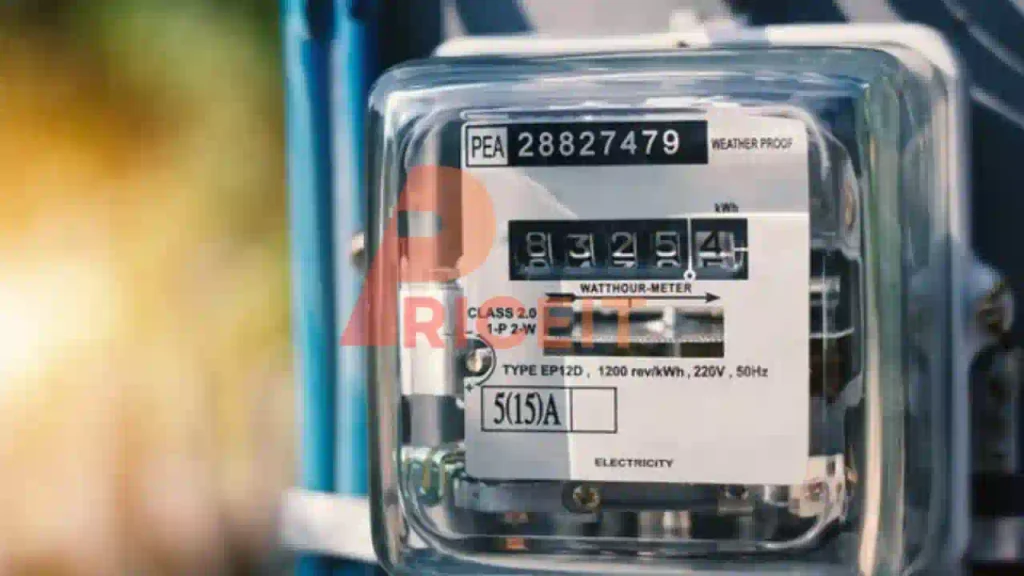
Your electricity meter counts these units, and your bill is calculated based on total monthly consumption.
How Electricity Tariffs Work in Pakistan
Pakistan uses a slab-based electricity tariff system. This means:
- Low usage = lower per unit price
- High usage = higher per unit price
- The system is designed to protect small consumers while making higher consumption more expensive
For example:
- A household using 150 units pays a lower price per unit than one using 400 units
- The higher the consumption, the more expensive each additional unit becomes
Protected vs Unprotected Consumers
Protected Consumers
- Monthly usage ≤ 200 units
- Eligible for government subsidy
- Lower impact of fuel price adjustments
Protected consumers enjoy stable monthly bills, especially during fuel price hikes.
Unprotected Consumers
- Monthly usage > 200 units
- No subsidy
- Higher per unit rates and taxes
Even a single month with high usage can move a consumer from protected to unprotected, increasing future bills.
Factors Affecting Electricity Unit Price in Pakistan
Several factors influence the electricity unit price in Pakistan:
1. Fuel Price Adjustment (FPA)
Electricity generation depends on gas, furnace oil, coal, and imported fuels. When fuel costs increase, the extra cost is passed to consumers as fuel price adjustment.
2. Exchange Rate
Pakistan imports most fuel in dollars. If the rupee weakens, the electricity cost rises.
3. Power Purchase & Capacity Payments
The government pays power producers even if electricity is not fully used. These costs are added to consumer bills.
4. Taxes & Surcharges
Bills include GST, electricity duty, and local surcharges, which can significantly increase total costs.
Commercial and Industrial Electricity Tariffs
Commercial Consumers
- Shops, offices, restaurants, and businesses
- Higher per unit price than domestic users
- Average range: 35–70 PKR per unit
Industrial Consumers
- Factories and manufacturing units
- Off-peak rates may be lower
- Average per unit price: 30–55 PKR depending on load and timing
How to Read Your Electricity Bill
A typical bill includes:
- Units Consumed – Total kWh used in a month
- Energy Charges – Units × per unit price
- Fuel Price Adjustment – Extra cost due to fuel price changes
- Fixed Charges – Meter maintenance, service charges
- Taxes & Duties – Government levies
Checking each section helps identify errors or unusually high charges.
Ways to Reduce Your Electricity Bill
- Use LED bulbs instead of traditional ones
- Limit AC usage
- Switch off unused appliances
- Use inverters or energy-efficient devices
- Monitor monthly usage and stay below 200 units
- Use solar panels to reduce dependency on the grid
- Shift heavy appliances to off-peak hours
Future of Electricity Pricing in Pakistan
- Prices will continue to fluctuate based on fuel costs
- Government plans to increase renewable energy projects
- Solar and wind energy can reduce dependency on imported fuels
- Households may eventually see stable and lower prices if renewable adoption increases
Frequently Asked Questions (FAQs)
What is the current electricity unit price in Pakistan?
The electricity unit price in Pakistan depends on how many units you use in a month. For domestic users, the price usually starts from around Rs. 10–23 per unit for low usage and can go up to Rs. 60 or more per unit for high consumption households. Fuel price adjustments, taxes, and whether you are a protected or unprotected consumer also affect the final price.
Why does the electricity unit price in Pakistan change every month?
The electricity unit price in Pakistan changes mainly because of fuel price adjustments, exchange rate changes, and government taxes. When fuel becomes expensive or the rupee weakens, electricity generation costs increase. These extra costs are later added to electricity bills, which is why the per unit price may go up or down each month.
How can I reduce my electricity bill in Pakistan?
You can reduce your electricity bill by using fewer units. Try to keep monthly usage below 200 units to remain a protected consumer. Use LED lights, energy-efficient appliances, limit air conditioner usage, and turn off unused devices. Installing solar panels can also help reduce dependence on grid electricity and lower your monthly cost.
Final Thoughts on Electricity Unit Price in Pakistan
Understanding the electricity unit price in Pakistan is essential for managing monthly expenses. By understanding tariff slabs, protected vs unprotected categories, fuel adjustments, and taxes, households can control their electricity costs effectively. This guide gives a clear picture of how to calculate, interpret, and reduce your electricity bills in Pakistan.
Read this: 8kW Solar System Price in Pakistan