Solar Water Pump Price Thursday, 9 July 2026
Solar Water Pump – The Smart Water Solution
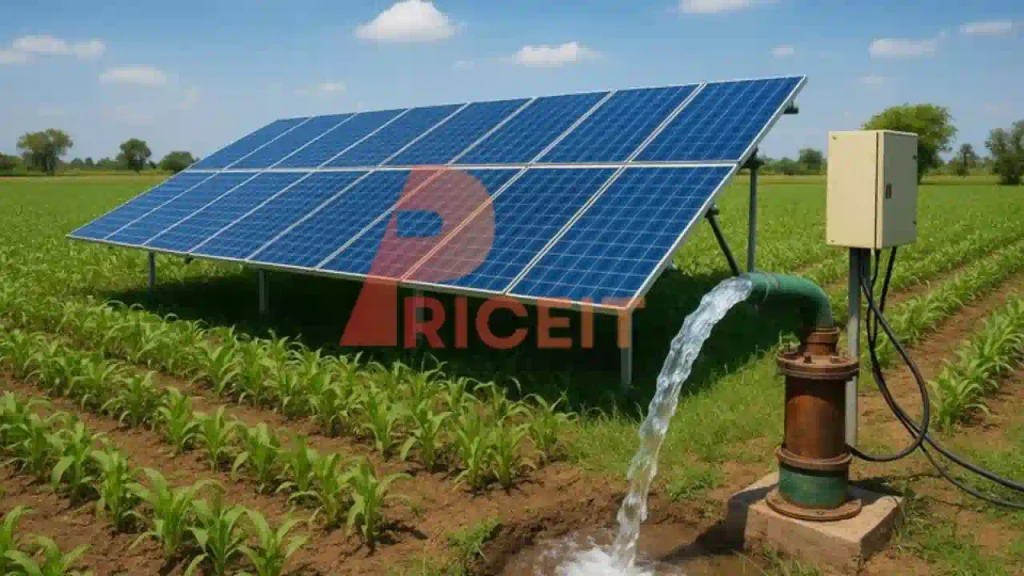
A solar water pump is a modern, reliable solution for people who need a continuous water supply without relying on electricity or fuel. Solar water pumps use solar energy to lift water from borewells, rivers, ponds, or tanks and deliver it efficiently to homes, farms, and businesses.
In 2026, solar water pumps are becoming more popular due to cost savings, reliability, and eco-friendliness. Whether you are looking for a solar water pump for agriculture, a solar submersible water pump, or just want to know the solar water pump price, this guide will provide everything you need to make the right choice.
To make things easier, here’s an estimated price table for different types of solar water pumps so you can get a quick overview before diving into details:
Read this : Aluminium Window Price in Pakistan
Solar Water Pump Price Table
| Pump Type | Power | Estimated Price (USD) | Best For |
|---|---|---|---|
| Surface Solar Pump | 0.5 HP | 400 – 700 | Shallow water, small farms, ponds |
| Submersible Pump | 1 HP | 900 – 1,500 | Borewells, tube wells, deep water |
| Agricultural Pump | 3 HP | 2,500 – 4,000 | Medium to large farms, irrigation |
| Large Borewell Pump | 5 HP+ | 4,500 – 7,000 | Extensive agricultural use, high water demand |
💡 Note: Prices vary depending on brand quality, solar panel wattage, pump material, water depth, and installation complexity.
Read this: GEPco Online Bill
What Is a Solar Water Pump?
A solar water pump is a system that uses sunlight to generate electricity, which powers a water pump motor. It works automatically during daylight and can provide water to homes, farms, or businesses without relying on electricity or fuel.
Solar water pumps are highly effective for:
- Agriculture and irrigation
- Household water supply
- Livestock watering
- Community water systems
- Industrial water applications
By using solar energy, these pumps are eco-friendly, low maintenance, and cost-effective in the long run.
How a Solar Water Pump Works
The working mechanism is straightforward:
- Solar panels absorb sunlight and convert it into electricity.
- Electricity flows to the pump controller, which manages voltage and current.
- Pump motor starts running, lifting water from wells, rivers, or tanks.
- Water is delivered to storage tanks, irrigation channels, or outlets.
Some systems include batteries to store energy for use at night or on cloudy days. Hybrid systems can also use grid electricity as backup.
Why Solar Water Pumps Are Gaining Popularity
Solar water pumps are replacing diesel and electric pumps because they solve real-world problems:
- No electricity bills
- No fuel dependency
- Low maintenance costs
- Reliable water supply even in remote areas
- Long lifespan (panels: 25 years, pumps: 10–15 years)
- Eco-friendly solution
Farmers, households, and businesses are adopting these pumps to cut costs, reduce dependence on electricity, and ensure a steady water supply.
Types of Solar Water Pumps
Choosing the right type is essential for efficiency and long-term performance.
1. Surface Solar Water Pump
Surface pumps are installed above ground and pull water from shallow sources.
Best for: ponds, rivers, canals, small farms.
Advantages:
- Easy installation
- Low cost
- Simple maintenance
- Lightweight
Limitations:
- Not suitable for deep wells
- Limited water pressure
2. Submersible Solar Water Pump
Submersible pumps are placed underwater and push water to the surface.
Best for: deep borewells, tube wells, large farms.
Advantages:
- Works at significant depths
- High efficiency
- Long lifespan
- Ideal for agriculture and irrigation
3. DC Solar Water Pump
DC pumps run directly on power from solar panels.
Advantages:
- No inverter required
- High efficiency
- Low power loss
- Simple and reliable
Limitations:
- Performance depends on sunlight intensity
4. AC Solar Water Pump
AC pumps use an inverter to convert DC solar energy into AC power.
Advantages:
- Can run with solar and grid backup
- Suitable for hybrid systems
- Flexible operation
Limitations:
- Slightly higher initial cost
- More complex setup
Read this: Petrol and Diesel Prices
Applications of Solar Water Pumps
Agriculture:
- Drip irrigation
- Sprinkler irrigation
- Orchard watering
- Livestock water supply
Household:
- Domestic water supply
- Garden watering
- Rainwater storage filling
Industrial:
- Construction site water supply
- Factories
- Remote communities
Solar water pumps provide reliable and consistent water flow for all applications.
Components of a Solar Water Pump System
| Component | Purpose |
|---|---|
| Solar Panels | Generate electricity from sunlight |
| Pump Motor | Moves water from source to destination |
| Controller | Components of a Solar Water Pump System Regulates voltage and protects pump |
| Mounting Structure | Holds solar panels securely |
| Pipes & Fittings | Carry water to tanks or irrigation |
| Battery (Optional) | Stores energy for night/cloudy days |
Proper installation and component matching ensures maximum efficiency and long system life.
Installation Process of Solar Water Pumps
- Inspect water source and measure depth
- Decide required pump capacity
- Install panel mounting structure at proper angle
- Fix solar panels securely
- Place pump in water (if submersible)
- Connect controller and wiring
- Test water flow and adjust
Installation usually takes 1–2 days, and proper setup ensures years of reliable operation.
Choosing the Best Solar Water Pump
Factors to consider:
- Water Depth: Shallow → Surface, Deep → Submersible
- Daily Water Needs: Household → small HP, Agriculture → higher HP
- Sunlight Availability: Full sun → DC, Partial sun → AC or hybrid
- Water Quality: Clean → standard pump, Sandy → heavy-duty pump
Correct selection prevents performance issues and ensures long-term efficiency.
Advantages of Solar Water Pumps
- No electricity bills
- No fuel cost
- Eco-friendly
- Long operational life
- Reliable in remote areas
- Low maintenance
Disadvantages of Solar Water Pumps
- High initial cost
- Depends on sunlight intensity
- Limited night operation without battery
These drawbacks can be mitigated with planning and hybrid systems.
Maintenance Tips
- Clean solar panels regularly
- Check wiring and connections
- Inspect pump filters monthly
- Avoid dry running
- Annual service of motor and controller
Proper maintenance ensures efficiency for 10–15 years or longer.
Frequently Asked Questions
Future of Solar Water Pumps
- Smart controllers with remote monitoring
- Higher efficiency motors
- Hybrid systems with grid backup
- Longer-lasting components
Solar water pumps will continue to grow in demand for agriculture, rural communities, and industrial applications.
Conclusion
A solar water pump is a smart, long-term investment for anyone needing reliable water. It saves electricity and fuel, provides consistent water supply, and supports sustainable living.
Key Takeaways:
- Uses free solar energy
- Reduces electricity and fuel costs
- Perfect for farms, homes, and remote areas
- Low maintenance and long lifespan
- Smart, eco-friendly investment
Read this: 8kW Solar System Price in Pakistan