Interior Minister Announces New Development Projects for Islamabad
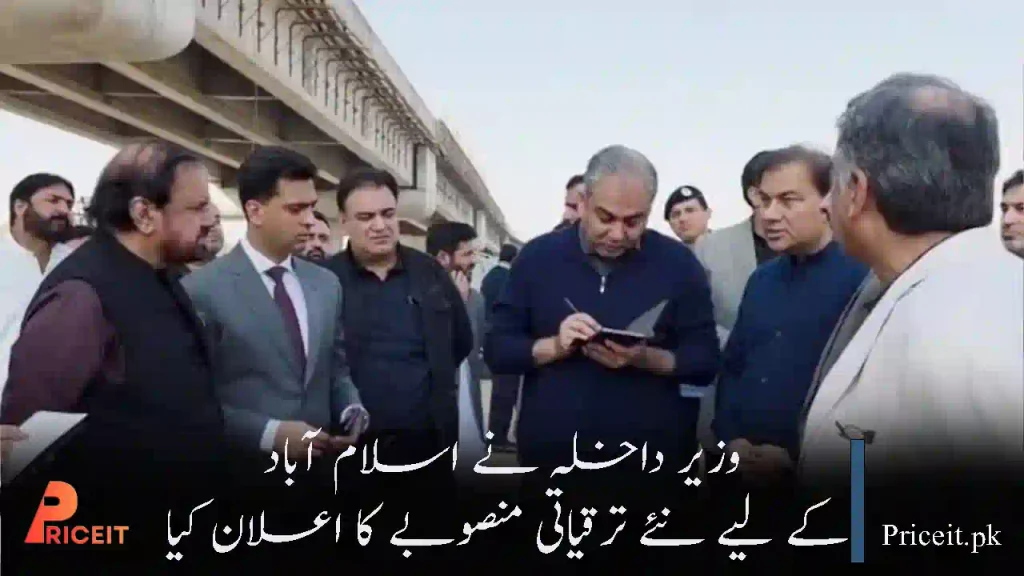
The Interior Minister of Pakistan has officially unveiled a major initiative aimed at transforming Islamabad into a modern, sustainable, and highly functional city. The announcement, titled “Interior Minister Announces New Development Projects for Islamabad”, outlines an extensive plan to improve infrastructure, public facilities, transportation networks, housing, healthcare, education, and recreation throughout the capital city.
These new development projects are part of the government’s broader vision to modernize Islamabad, improve the quality of life for its residents, and enhance economic opportunities. By focusing on urban planning, civic infrastructure, and smart city solutions, these initiatives aim to position Islamabad as a model capital not just in Pakistan but also in the region.
This detailed guide explores all aspects of the new development projects, including objectives, benefits, implementation strategies, anticipated challenges, and long-term impact.
Overview of Islamabad’s Development Plans
Islamabad, known for its organized sectors, greenery, and scenic environment, faces increasing pressure from population growth, traffic congestion, and urban expansion. Recognizing these challenges, the Interior Minister’s development projects are designed to address key issues while promoting sustainable urban growth.
The government’s initiatives focus on the following core sectors:
- Transportation and Road Infrastructure – to improve traffic flow and reduce congestion
- Housing and Residential Development – affordable and sustainable housing schemes
- Education and Skills Development – modern schools, colleges, and vocational centers
- Healthcare Facilities – upgraded hospitals and clinics across sectors
- Public Parks and Recreational Areas – green spaces and cultural centers
- Smart City Initiatives – digital solutions for traffic, utilities, and public safety
By tackling these areas, Islamabad’s urban landscape is set to undergo a major transformation that will enhance economic activity, improve living standards, and support sustainable urban growth.
Key Development Projects Announced
The Interior Minister’s announcement highlighted multiple high-priority projects across Islamabad’s sectors. Each project has been carefully designed to address specific challenges faced by residents.
Transportation and Road Infrastructure
Traffic congestion in Islamabad has been a growing concern, particularly during peak hours and in commercial sectors. To address this, the following initiatives are included:
- Expansion of main roads and arteries to accommodate increasing traffic volumes
- Construction of flyovers, underpasses, and interchanges to reduce travel times
- Smart traffic management systems using digital sensors and AI-based monitoring
- Upgrades to public transportation facilities to promote bus and metro usage
The transportation projects aim to provide smoother mobility for residents and reduce traffic-related stress, while also supporting economic activity by improving access to business hubs.
Housing and Urban Development
One of the most critical aspects of Islamabad’s urban growth is housing. The Interior Minister announced several initiatives focused on providing affordable and sustainable residential solutions:
- Affordable housing schemes targeting middle-income families
- Development of new residential sectors with modern planning and amenities
- Sustainable energy and water supply integration in new housing projects
- Enhanced security and community infrastructure to ensure safe and livable environments
These initiatives aim to make housing more accessible, improve urban planning standards, and create vibrant communities in Islamabad’s newly developed sectors.
Education and Skills Development
Education and skill development are vital for Islamabad’s growth. The government has outlined initiatives to expand access to high-quality education:
- Establishment of modern schools and colleges with state-of-the-art facilities
- Vocational and skills training centers to equip youth for employment opportunities
- Scholarship programs and professional development aligned with industry needs
- Digital classrooms and online learning platforms to enhance educational accessibility
These educational projects aim to build a skilled workforce and empower Islamabad’s youth to participate actively in the city’s economic and technological development.
Healthcare Improvements
Healthcare is another priority area for Islamabad. The development projects include:
- Modernization of existing hospitals and clinics with advanced medical equipment
- Construction of new healthcare facilities in underserved sectors
- Introduction of telemedicine services to improve access for residents in remote areas
- Emergency response systems and ambulatory services to enhance public health safety
These projects aim to ensure that residents have access to high-quality healthcare services, reduce patient load on major hospitals, and improve overall public health standards.
Parks, Recreation, and Public Spaces
Public recreation and green spaces are essential for a healthy urban environment. The projects include:
- Development of new parks and jogging tracks across sectors
- Cultural and arts centers to promote local heritage and recreational activities
- Upgrades to existing public spaces for community engagement
- Environmentally friendly landscaping to enhance aesthetics and air quality
These initiatives promote a balanced urban lifestyle, encouraging physical activity, cultural participation, and community bonding.
Smart City Initiatives
In addition to physical infrastructure, Islamabad’s development plans include digital solutions:
- Smart traffic and surveillance systems to enhance public safety
- Digital utilities management for electricity, water, and waste management
- E-governance platforms to improve citizen access to services
- IoT-based solutions for public facilities and monitoring
By integrating smart technology, Islamabad aims to create a sustainable and citizen-focused urban environment.
Benefits of Islamabad’s Development Projects
The development initiatives are designed to provide significant benefits to residents, businesses, and the local economy:
Enhanced Quality of Life
- Improved road networks and transportation reduce commute times
- Upgraded healthcare and education facilities improve well-being
- Parks, recreational areas, and cultural centers enhance community engagement
Economic Growth
- Infrastructure development generates employment opportunities
- New housing and commercial projects attract investment
- Improved connectivity supports small businesses and startups
Educational and Professional Advancement
- New schools, colleges, and vocational centers equip the youth with skills
- Enhanced access to digital education and online learning opportunities
Environmental Sustainability
- Green spaces, parks, and eco-friendly housing reduce urban environmental impact
- Smart city initiatives help monitor and manage resources efficiently
Efficient Public Services
- Digitized traffic management, utilities, and civic services increase efficiency
- Citizens experience more transparent and accessible government services
Implementation Strategy
To ensure these projects are executed efficiently, the government has adopted a comprehensive strategy:
- Planning and Design – Feasibility studies and urban design analysis for each project
- Budget Allocation – Adequate funds allocated to avoid delays
- Monitoring and Evaluation – Continuous oversight to maintain timelines and quality
- Public Engagement – Feedback from residents incorporated into project planning
- Collaboration with Experts – Urban planners, engineers, and environmental specialists ensure best practices
This strategy ensures that development projects are executed on time, within budget, and with maximum public benefit.
Challenges in Implementation
While these projects are transformative, they may face several challenges:
- Budget Overruns – Some projects may exceed initial cost estimates
- Land Acquisition Issues – Urban land disputes may delay development
- Environmental Compliance – Construction activities must adhere to eco-friendly standards
- Administrative Delays – Bureaucratic hurdles can slow project execution
Proactive planning and strong governance are key to overcoming these challenges and ensuring project success.
Public Impact
The development projects will have a direct and positive impact on Islamabad’s residents:
- Reduced traffic congestion and improved mobility
- Job creation in construction, services, and technical sectors
- Modernized civic amenities for healthcare, education, and recreation
- Increased property values and real estate growth
- Enhanced community well-being through green spaces and public facilities
Frequently Asked Questions (FAQs)
Case Study: Hypothetical Sector Implementation
Imagine a residential sector in Islamabad:
- Roads are widened, and traffic flow is optimized using digital monitoring systems.
- A new park, community center, and jogging tracks are developed.
- A modern hospital and school are constructed for the sector’s residents.
- Affordable housing units with sustainable utilities are launched.
- Local businesses experience growth due to improved connectivity and population access.
This example highlights the transformative potential of the Interior Minister’s development projects.
Future Outlook
The implementation of these development projects is expected to:
- Significantly increase urban efficiency in Islamabad
- Attract more investment and economic activity
- Provide residents with modern civic amenities
- Position Islamabad as a model smart city in Pakistan
With proper execution, these projects will create a lasting positive impact for residents, businesses, and the government.
Key Takeaways
- Interior Minister Announces New Development Projects for Islamabad is a milestone for urban transformation.
- Projects cover roads, housing, education, healthcare, public spaces, and smart city solutions.
- Citizens benefit from improved quality of life, economic growth, and efficient civic services.
- Strategic planning, monitoring, and public engagement ensure successful execution.
- Islamabad is set to emerge as a model capital city with sustainable urban development.
Conclusion
The Interior Minister’s new development projects mark a historic step toward transforming Islamabad into a modern, sustainable, and highly livable city. With strategic infrastructure upgrades, improved civic amenities, and a focus on education, healthcare, and public spaces, residents will experience tangible benefits in their daily lives.
These initiatives not only improve living standards but also promote economic growth, environmental sustainability, and technological innovation. Islamabad is poised to become a model capital city in Pakistan, where development meets citizen needs, urban planning is efficient, and the city’s growth is guided by a vision of modernity and sustainability.
Read this: PTA Launches District-Level Internet Service Licenses to Boost Broadband Access
Read this: Punjab Revises Textbook Curriculum for Academic Year 2026–27