Haseeb Waqas Sugar Mills Reportedly for Sale – Full Analysis
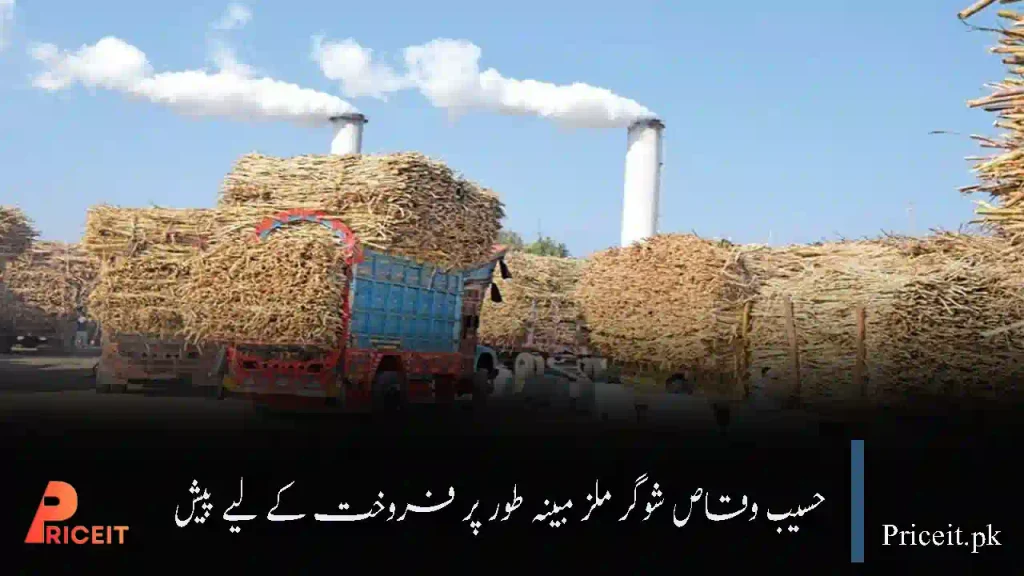
The news that Haseeb Waqas Sugar Mills is reportedly for sale has triggered widespread discussion across Pakistan’s business and agricultural circles. Sugar mills are not ordinary industrial units. They sit at the center of rural economies, farmer livelihoods, seasonal employment, and national food supply chains. Any report suggesting a possible ownership change immediately raises questions about stability, pricing, farmer payments, and the future direction of the sugar industry.
This article provides a complete, in-depth, and easy-to-understand analysis of the reported sale. It explains why Haseeb Waqas Sugar Mills may be on the market, what this means for farmers, workers, investors, and consumers, and how this development fits into the broader challenges facing Pakistan’s sugar sector. The content is designed to match real reader intent, not speculation or fluff.
Haseeb Waqas Sugar Mills Reportedly For Sale: What We Know So Far
Reports circulating in business and market circles suggest that Haseeb Waqas Sugar Mills is reportedly for sale, though no final transaction has been publicly confirmed. Such reports typically emerge when mill owners explore strategic options, including partial or full divestment, restructuring, or transfer of ownership.
It is important to understand that being “for sale” does not always mean a mill is shutting down or in crisis. In Pakistan’s sugar industry, ownership changes are relatively common due to fluctuating profitability, regulatory pressure, and long-term financial planning decisions.
At this stage, the key facts remain:
- The mill is reportedly available for sale
- No official confirmation of a completed deal has been announced
- Operations continue as usual
- Stakeholders are closely monitoring developments
Background: Understanding Haseeb Waqas Sugar Mills
Position in Pakistan’s Sugar Industry
Haseeb Waqas Sugar Mills operates within Pakistan’s privately owned sugar manufacturing sector. Like many sugar mills, it purchases sugarcane from local farmers during the crushing season, processes it into refined sugar, and supplies both wholesale and retail markets.
Sugar mills function as seasonal but high-impact enterprises. During the crushing season, they operate at full capacity, while off-season periods involve maintenance, planning, and financial settlements.
Economic Importance of a Single Sugar Mill
A single sugar mill typically supports:
- Thousands of sugarcane farmers
- Seasonal and permanent factory workers
- Transporters and logistics providers
- Local service businesses
- Regional tax and revenue streams
Because of this, news of a potential sale carries economic and social significance far beyond the factory gates.
Why Is Haseeb Waqas Sugar Mills Reportedly for Sale?
Rising Operational Costs
One of the biggest pressures on sugar mills today is rising operational costs. These include:
- Electricity and fuel expenses
- Maintenance of aging machinery
- Transportation and logistics costs
- Labor wages and compliance requirements
As costs rise faster than sugar prices, profit margins shrink, making continued operation challenging for many mills.
Sugarcane Procurement Pressure
Sugarcane prices are often influenced by government decisions and farmer demands. Mills must purchase cane at fixed or politically sensitive prices, even when market conditions are unfavorable. This imbalance directly affects cash flow.
Debt and Financial Stress
Many sugar mills rely on bank financing to purchase sugarcane at the start of the crushing season. If sugar sales are delayed or prices fall, debt levels increase. Over time, this can make selling the mill a more attractive option than continuing under financial strain.
Policy and Regulatory Uncertainty
The sugar industry is heavily regulated. Sudden changes in:
- Export permissions
- Import decisions
- Price caps
- Taxation
can disrupt financial planning. Owners sometimes choose to exit rather than operate under unpredictable rules.
Strategic or Family Decisions
In some cases, mills are sold due to internal business restructuring, succession planning, or a decision to invest in other sectors. Not every sale is driven by losses.
What Buyers Look for When Acquiring a Sugar Mill
If Haseeb Waqas Sugar Mills is indeed being evaluated for sale, potential buyers will examine several critical factors.
Production Capacity and Efficiency
Buyers assess:
- Daily crushing capacity
- Machinery condition
- Energy efficiency
- Downtime history
Modern, efficient mills attract stronger interest and higher valuations.
Location and Cane Supply
A mill’s proximity to sugarcane-producing areas is crucial. Reliable farmer networks and consistent cane supply reduce operational risk.
Financial Health
Key financial considerations include:
- Outstanding loans
- Payables to farmers
- Asset valuation
- Pending legal matters
Transparent records increase buyer confidence.
Human Resources and Expertise
Experienced staff, skilled engineers, and stable management teams make transitions smoother and reduce operational disruption.
Impact on Sugarcane Farmers
Immediate Farmer Concerns
Whenever a sugar mill is reportedly for sale, farmers naturally worry about:
- Timely cane procurement
- Payment delays
- Changes in purchase policies
Farmers depend heavily on mills for income stability.
Potential Positive Outcomes
In many cases, new ownership can improve farmer relations by:
- Clearing outstanding dues
- Introducing digital payment systems
- Improving weighing and testing transparency
The outcome depends largely on the buyer’s financial strength and operational philosophy.
Impact on Employees and Labor
Job Security
Sugar mills employ both permanent and seasonal workers. News of a sale often raises fears of layoffs. However, most buyers prefer continuity, as experienced staff are essential for smooth operations.
Workplace Improvements
New ownership can sometimes bring:
- Better safety standards
- Upgraded equipment
- Improved wage structures
Effect on Sugar Supply and Prices
Short-Term Market Impact
A single mill sale rarely affects national sugar prices unless production is interrupted. As long as operations continue, supply remains stable.
Long-Term Industry Trends
Repeated ownership changes may signal broader industry consolidation, where stronger groups acquire weaker assets to improve efficiency.
Pakistan’s Sugar Industry: The Bigger Context
Structural Issues
The sugar sector faces long-standing challenges, including:
- Overcapacity
- Political influence
- Price volatility
- Inefficient farming practices
These issues make sustainability difficult for many operators.
Exports and Market Volatility
Exports can help clear surplus sugar, but delays in approval can hurt mill finances. This uncertainty contributes to decisions to sell.
Energy and By-Product Utilization
Mills that generate electricity from bagasse or produce ethanol often perform better financially. Buyers increasingly value such diversification.
Frequently Asked Questions
Opportunities for Investors
For capable investors, acquiring a sugar mill can offer:
- Long-term asset value
- Access to agricultural supply chains
- Energy generation opportunities
- Export potential
However, success depends on efficient management and policy awareness.
Risks That Buyers Must Consider
- Policy unpredictability
- Farmer payment obligations
- Price controls
- Seasonal cash flow gaps
Thorough due diligence is essential.
What Happens Next
If talks progress, the process typically includes:
- Financial audits
- Asset valuation
- Regulatory approvals
- Ownership transition planning
Stakeholders will closely watch for official statements.
Final Analysis
The report that Haseeb Waqas Sugar Mills is reportedly for sale reflects deeper structural and financial pressures within Pakistan’s sugar industry. While such news often raises concern, it does not automatically signal crisis. In many cases, ownership changes bring renewed investment, better management, and improved efficiency.
For farmers, workers, investors, and consumers, the key issue is stability. As long as production continues and supply chains remain intact, the broader impact is likely to remain manageable. Over time, responsible ownership and reform-oriented management could strengthen the sector rather than weaken it.
Read this:Lahore to Be Monitored by Drones and Cameras During Basant
Read this: Pakistan Budget 2026: Relief for Salaried Class & Industries