Monkeypox Threat in Lahore: Four New Cases Confirmed and Public Health Alert Issued
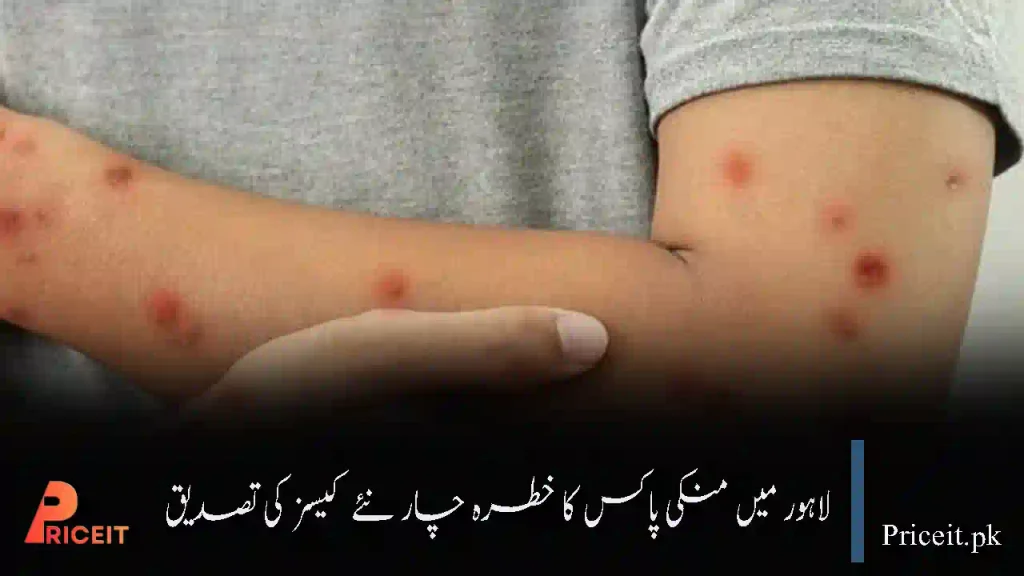
In Lahore, the monkeypox threat in Lahore has escalated after four new cases were confirmed within 24 hours, signaling a serious public health concern in the provincial capital. Authorities and health experts are closely monitoring the situation, providing medical care, and advising the public on preventive measures to contain the virus.
The newly reported cases include adults aged 18 to 33, and all patients are currently under observation in a major hospital. While their conditions are reported as stable, the situation highlights the ongoing risk of mpox virus transmission in urban areas.
This article provides a comprehensive overview of the current outbreak, symptoms, treatment, preventive measures, and expert advice for residents of Lahore. It is designed to be informative, authoritative, and engaging for readers, while also optimized for search engines.
Recent Monkeypox Cases in Lahore
In the last 24 hours, four new monkeypox cases have been confirmed in Lahore. The patients include both men and women, ranging in age from 18 to 33. Medical officials confirmed the virus through laboratory testing, and all patients are receiving supportive care and monitoring.
Patient Details
| Patient Name | Age | Status | Notes |
|---|---|---|---|
| Sultana Aram | 30 | Stable | Receiving supportive care |
| Hamza | 25 | Stable | Isolated for monitoring |
| Nauman | 33 | Stable | Lab confirmed mpox |
| Ans | 18 | Stable | Under treatment in hospital |
Health authorities have emphasized that the risk of further spread exists, and public awareness is crucial to prevent a larger outbreak. Citizens are urged to follow hygiene protocols, avoid close contact with infected individuals, and seek medical attention if they notice monkeypox symptoms.
Understanding Monkeypox
What is Monkeypox?
Monkeypox, also called mpox, is a viral disease caused by the monkeypox virus. It belongs to the same virus family as smallpox but is generally less severe. While rare, serious complications can occur, particularly in individuals with weakened immune systems.
Monkeypox can spread among humans primarily through close physical contact, making awareness and preventive measures vital in limiting outbreaks.
How Monkeypox Spreads
Monkeypox is not as contagious as COVID-19, but it can transmit through:
- Direct skin-to-skin contact with infected lesions or blisters
- Exposure to bodily fluids from an infected person
- Contact with contaminated objects, including bedding, clothing, or personal items
- Prolonged face-to-face contact with an infected individual
Understanding these transmission routes allows residents to take proactive measures to reduce the risk of infection.
Common Symptoms of Monkeypox
Early detection of monkeypox symptoms is key to preventing further transmission. Typical signs include:
- Fever and chills
- Headache and muscle aches
- Swollen lymph nodes
- Fatigue and exhaustion
- Rash that begins on the face and spreads to other parts of the body
- Blisters or pustules on the skin or mucous membranes
Symptom Timeline:
- Early stage: Fever, chills, and fatigue appear first
- Rash development: Red spots evolve into bumps, blisters, and pustules
- Recovery: Symptoms usually resolve within 2–4 weeks with proper care
Prompt medical consultation is crucial for accurate diagnosis, as monkeypox can sometimes resemble other viral infections such as chickenpox or measles.
Who is at Risk?
Anyone can contract monkeypox, but high-risk groups include:
- Healthcare workers caring for infected patients
- People in close contact with someone showing symptoms
- Individuals handling contaminated clothing, bedding, or personal items
- Communities where the virus is actively spreading
By understanding these risk factors, individuals and families can take steps to protect themselves and prevent further transmission.
Public Health Measures in Lahore
Hospital Response and Treatment
Hospitals in Lahore are taking immediate action to manage the outbreak. Patients are isolated, and healthcare workers are following strict infection control protocols to prevent virus transmission.
Treatment strategies include:
- Managing fever and pain
- Ensuring proper hydration
- Monitoring for secondary infections
- Observing patients for any complications
The four newly reported cases are receiving full medical support, and doctors report that all patients are stable and out of critical danger.
Community Guidelines
Authorities have issued recommendations for residents to minimize the spread of the virus:
- Avoid close contact with anyone showing symptoms
- Wash hands regularly with soap or sanitizer
- Do not share personal items like towels, bedding, or clothing
- Seek immediate medical attention if symptoms develop
Community awareness and cooperation are critical to prevent the virus from spreading further in urban areas.
Government and Health Department Actions
Health authorities in Lahore and Punjab are actively:
- Monitoring new and potential cases through surveillance programs
- Conducting contact tracing for individuals exposed to confirmed patients
- Providing public education campaigns on prevention and symptoms
- Preparing for potential vaccination or emergency response if the situation escalates
Comparing Monkeypox with Other Viral Diseases
| Feature | Monkeypox (Mpox) | Chickenpox | Measles |
|---|---|---|---|
| Rash | Pustules/blisters | Red itchy spots | Flat red rash |
| Fever | Yes | Yes | Yes |
| Transmission | Close contact | Airborne | Airborne |
| Severity | Moderate | Mild to moderate | Can be severe |
This comparison helps distinguish monkeypox from other illnesses with similar symptoms, aiding early diagnosis.
FAQs About Monkeypox in Lahore
Preventive Measures for Families and Communities
- Teach family members to recognize monkeypox symptoms
- Avoid contact with infected individuals or contaminated objects
- Maintain good hygiene practices and sanitize shared items
- Follow public health advice and stay updated on outbreak news
Monitoring and Preparedness
Health authorities in Lahore are focusing on:
- Early detection and testing of suspected cases
- Isolation and treatment of confirmed patients
- Educating the public on symptoms, prevention, and when to seek care
Residents are encouraged to report any suspected cases promptly, which helps limit community transmission.
Treatment and Clinical Care
Currently, there is no specific cure for monkeypox. Medical care focuses on:
- Symptom management (fever, pain, fatigue)
- Supporting hydration and nutrition
- Treating secondary infections
- Monitoring for complications in vulnerable patients
Most patients recover within 2–4 weeks when proper care is provided.
Hospital Isolation and Safety Protocols
- Confirmed patients are placed in dedicated isolation wards
- Healthcare staff use personal protective equipment (PPE)
- Routine cleaning and disinfection of hospital spaces are performed
- Continuous monitoring ensures patient safety and prevents further spread
Long-Term Implications for Lahore
The recent surge of cases highlights the need for:
- Continuous public awareness campaigns
- Robust hospital and health system preparedness
- Community cooperation to reduce transmission
- Monitoring potential hotspots in densely populated areas
By taking preventive action, Lahore can limit the impact of monkeypox and maintain public safety.
Community Awareness and Education
Authorities are emphasizing:
- Accurate information dissemination
- Debunking rumors and misinformation
- Encouraging residents to follow health guidelines
- Highlighting the importance of early reporting of symptoms
Community engagement is key to successfully containing the virus.
Final Thoughts: Staying Safe Amid Monkeypox Threat
The Monkeypox threat in Lahore underscores the importance of vigilance, hygiene, and timely medical attention. While all four newly reported patients are stable, the outbreak serves as a reminder that the virus can spread quickly if not managed responsibly.
Residents should:
- Stay informed through credible sources
- Follow preventive measures diligently
- Report symptoms early
- Avoid unnecessary panic but take the situation seriously
With coordinated efforts from healthcare authorities and communities, Lahore can prevent the outbreak from escalating further.
Read this: Pakistan Airspace Closed for Indian Aircraft Until Feb 2026
Read this: Haseeb Waqas Sugar Mills Reportedly for Sale – Full Analysis