Basant Festival 2026 in Punjab: A Government-Led Revival of Culture, Joy, and Safety
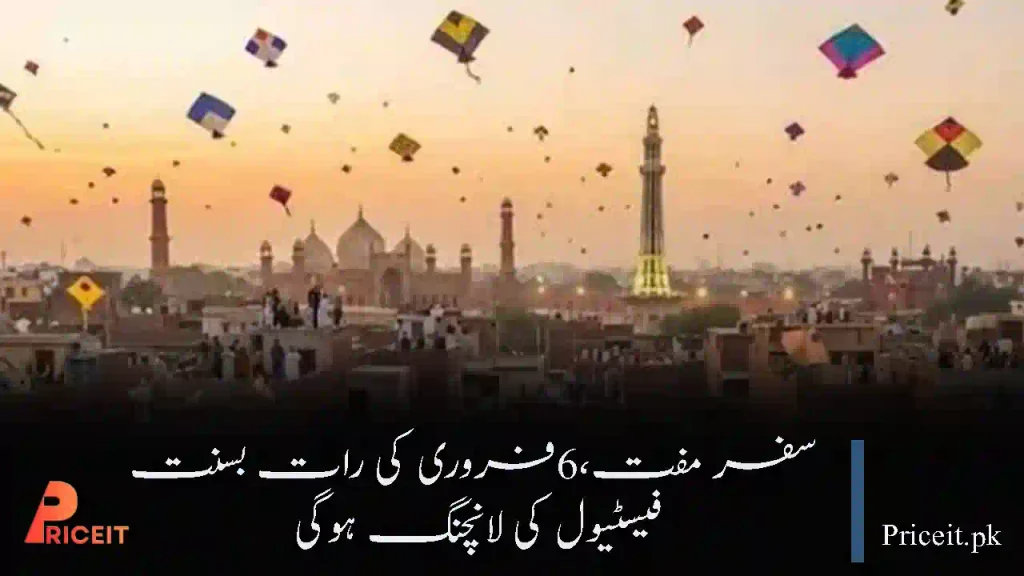
After years of silence in the skies of Punjab, Basant Festival 2026 is officially making a return. The Punjab government has approved a three-day, government-organized Basant celebration, scheduled for 6, 7, and 8 February, bringing back a tradition that once defined the cultural identity of Lahore and other cities.
The announcement came after a high-level meeting chaired by Punjab Chief Minister Maryam Nawaz, who described the initiative as a mission to restore happiness, culture, and healthy entertainment to the people of Punjab. The festival will be organized under strict safety rules, marking the first time Basant is being held with full government supervision.
This article provides a complete, original, and detailed guide to Basant Festival 2026. It explains why Basant was banned, why it is being revived now, how the safety plan works, what rules citizens must follow, and what this festival means for Punjab’s future.
What Is Basant and Why It Holds Deep Cultural Value
Basant is a traditional spring festival that celebrates the arrival of warmer weather after winter. In Punjab, Basant has historically been associated with kite flying, music, colorful clothes, traditional food, and rooftop gatherings.
For centuries, Basant was more than a recreational activity. It symbolized renewal, optimism, and unity. Families, friends, and neighbors came together to celebrate the season. Lahore, in particular, became internationally known for its vibrant Basant celebrations.
Basant was celebrated across religious and social lines. It belonged to everyone. The festival reflected the joyful spirit of Punjab and its people.
Why Basant Was Stopped for Many Years
Despite its popularity, Basant slowly became associated with serious safety risks. The uncontrolled use of dangerous kite strings, including metal-coated and chemically treated cords, led to tragic accidents.
Over time, authorities recorded:
- Fatal injuries caused by sharp kite strings
- Severe neck and facial wounds, especially among motorcyclists
- Illegal manufacturing of harmful materials
- Overcrowded hospitals during Basant season
- Lack of enforcement and accountability
Due to these risks, the government imposed strict bans on kite flying and Basant celebrations. While the ban reduced accidents, it also removed an important cultural expression from public life.
Why the Punjab Government Decided to Bring Basant Back
The revival of Basant did not happen overnight. It came after years of reflection, public demand, and planning.
Chief Minister Maryam Nawaz emphasized that a society cannot survive on restrictions alone. According to her, people need happiness, festivals, and shared moments. Punjab’s identity, she said, cannot be separated from its culture.
The government believes that banning culture is not the solution. Instead, the solution lies in regulation, responsibility, and enforcement.
Key reasons for reviving Basant include:
- Restoring Punjab’s cultural heritage
- Providing safe entertainment for families
- Encouraging social harmony
- Supporting local businesses and tourism
- Ending illegal kite activities through regulation
Official Approval and Festival Dates
The Punjab government has officially approved a three-day Basant Festival:
- 6 February – Launch night
- 7 February – Main celebration day
- 8 February – Closing day
For the first time in history, Basant will be fully government-sponsored and managed, ensuring transparency and safety at every level.
Chief Minister Maryam Nawaz’s Message to the Public
During the meeting, the Chief Minister stated that she came to “return happiness to the people of Punjab.” She said that Punjab is a land of warmth, culture, and celebration, but its people were pushed into constant tension and conflict.
She highlighted that:
- Punjab’s culture is respected globally
- Basant is more than 800 years old
- Every religion and community has the right to celebrate
- Festivals unite people instead of dividing them
Her message focused on freedom with responsibility and celebration with safety.
How Basant 2026 Is Different From the Past
This year’s Basant is not a return to chaos. It is a controlled cultural revival.
Government Organization
Unlike earlier celebrations, Basant 2026 is being managed by government departments, law enforcement agencies, and local administrations working together.
Clear Safety Strategy
Every rule has been designed to prevent accidents. The goal is not punishment but protection.
Registered Participation
Only registered manufacturers, traders, and sellers are allowed to participate, ensuring accountability.
Lahore Divided Into Safety Zones
To manage risks effectively, Lahore has been divided into three zones.
Red Zone
- High-risk areas
- Strict monitoring
- Mandatory safety measures
Yellow Zone
- Medium-risk areas
- Increased patrols
- Controlled movement
Green Zone
- Lower-risk areas
- General safety enforcement
This zoning system helps authorities focus resources where they are needed most.
Kite Flying Rules for Basant 2026
Kite flying will be allowed only under strict rules.
What Is Allowed
- Cotton kite string only
- Maximum nine cotton threads
- Approved kite sizes
What Is Strictly Banned
- Nylon or plastic strings
- Metal or glass-coated cords
- Chemical-treated strings
- Kite spools and sharp equipment
Any violation will lead to legal action.
Legal Consequences for Violations
The government has clearly warned that violations will not be ignored.
Possible consequences include:
- Heavy fines
- Arrests and imprisonment
- Confiscation of materials
- Action against manufacturers and sellers
These measures aim to discourage unsafe practices.
Registration of Manufacturers and Traders
To control quality and safety, all involved parties must register.
Who Must Register
- Kite makers
- String manufacturers
- Traders and shopkeepers
- Event-related vendors
This system ensures that only approved materials are sold.
Pre-Festival Crackdown on Illegal Activities
Authorities have already taken action ahead of the festival.
Steps taken include:
- Registration of criminal cases
- Arrests of illegal manufacturers
- Seizure of banned kite materials
- Confiscation of illegal strings
This proactive approach aims to prevent problems before they occur.
Free Public Transport During Basant
To reduce traffic congestion and accidents, the government has announced free public transport during the festival.
This includes:
- Free bus services
- Free metro and train rides
- Extended service hours
This move encourages people to avoid unnecessary motorcycle use.
Motorcycle Safety Measures
Motorcyclists are most vulnerable to kite string injuries.
To protect them:
- Free safety rods will be installed
- Over one million bikes will be covered
- Focus will be on high-risk areas
These rods help deflect kite strings and reduce serious injuries.
Why Safety Rods Save Lives
Sharp kite strings can cause fatal neck injuries.
Safety rods:
- Act as a barrier
- Reduce direct contact
- Prevent severe accidents
Their free distribution reflects a preventive mindset.
Cultural Impact of Basant’s Return
The revival of Basant strengthens Punjab’s cultural identity.
Reconnecting With Tradition
Young generations will experience a festival their parents once enjoyed.
Promoting Unity
Basant brings people together across backgrounds.
Supporting Creative Industries
Artisans, performers, and vendors benefit from the festival.
Economic Benefits of Basant Festival
Basant also boosts the economy.
Local Markets
Kite shops, food stalls, and clothing stores see increased sales.
Tourism Growth
Visitors from across Pakistan travel to Lahore.
Job Creation
Temporary employment opportunities increase.
Public Responsibility During Basant
Government planning alone is not enough.
Citizens must:
- Follow safety rules
- Avoid banned materials
- Respect enforcement staff
- Report illegal activities
Public cooperation is essential.
Addressing Safety Concerns
Some citizens remain worried about accidents.
The government assures:
- Continuous monitoring
- Emergency response teams
- Medical facilities on standby
- Strict enforcement
These steps aim to prevent past tragedies.
Comparison: Past Basant vs Basant 2026
| Aspect | Past Basant | Basant 2026 |
|---|---|---|
| Organization | Informal | Government-led |
| Safety Rules | Weak | Strict |
| Materials | Uncontrolled | Approved only |
| Enforcement | Limited | Strong |
| Public Services | Minimal | Extensive |
Legal and Ethical Balance
Basant 2026 respects two key rights:
- The right to cultural expression
- The right to life and safety
This balance reflects responsible governance.
Challenges That Still Exist
Despite planning, challenges remain:
- Public awareness
- Consistent enforcement
- Full compliance
Continuous education is needed.
What Basant 2026 Means for Punjab’s Future
If successful, Basant 2026 can:
- Set standards for future festivals
- Encourage cultural tourism
- Strengthen social harmony
It can become a model for safe celebrations.
FAQ
Final Thoughts
The Basant Festival 2026 in Punjab represents a new chapter. It is not just a festival returning — it is a cultural revival guided by responsibility.
Through strict safety rules, free public services, and strong enforcement, the government aims to prove that joy and safety can coexist.
If citizens and authorities work together, Basant 2026 can restore color to the skies — without risking lives.
Punjab welcomes spring again, carefully, proudly, and responsibly.
Read this: NADRA Identity Card Data Monitoring App
Read this : Basant 2026 in Punjab: Strict Ban on Dangerous Kite Strings and Free Bus Service in Lahore