19-Year-Old Set to Become the Queen of Spain: A Historic Moment After 150 Years
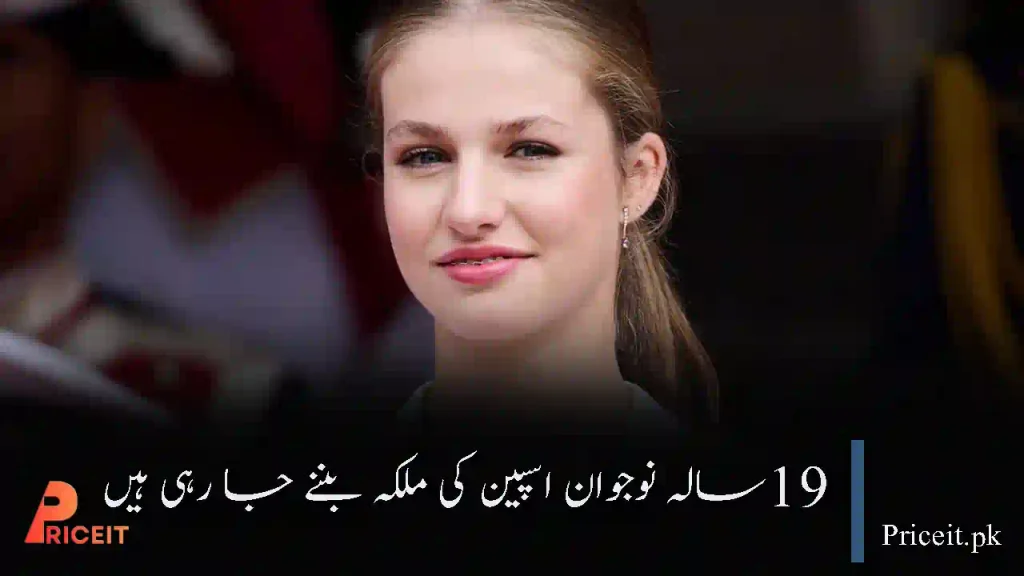
For the first time in 150 years, Spain is preparing to crown a young 19-year-old princess as its queen. This historic moment is capturing attention not only across Spain but around the world. The event symbolizes a unique blend of tradition and modernity, marking a turning point in the Spanish monarchy. This article explores everything about the future Queen of Spain, her upbringing, preparation for leadership, public reaction, historical significance, challenges she may face, and what her ascension means for the nation and the monarchy.
Spain has witnessed centuries of royal history, but this moment is special. A young woman taking the throne represents change, equality, and a modern approach to royal duties. For readers seeking comprehensive insights into Spain’s monarchy and the upcoming coronation, this article provides a detailed account.
Early Life of the Future Queen
The young princess, now 19, has been carefully prepared for the responsibilities of monarchy from childhood. Her upbringing combined education, tradition, and exposure to public service.
Birth and Family Background
The princess is the eldest child of the reigning king and queen of Spain. Being born into the royal family, she was immediately recognized as the heir apparent. Her lineage reflects a blend of historic Spanish royalty with modern European connections.
Education
Education played a key role in shaping the young princess. She attended top schools in Spain and abroad. Her curriculum included international relations, languages, and leadership development. This diverse education equips her to represent Spain on global stages.
Public Appearances
Even as a teenager, she began participating in official royal duties. Public appearances at ceremonies, cultural events, and charity programs allowed her to connect with citizens and understand the responsibilities of a monarch.
Her early life reflects both traditional royal values and modern education, which together prepare her for her future role as the head of the Spanish monarchy.
The Historic Significance of Her Ascension
Spain has not seen a queen ascend the throne in over 150 years. This makes her rise extremely important for cultural, political, and social reasons.
Breaking Gender Traditions
Historically, the Spanish throne was dominated by male heirs. The ascension of a young woman signals progress and gender equality within the monarchy. This represents a shift toward a more inclusive approach in royal succession.
Global Attention
Media outlets and historians worldwide are closely watching this event. International coverage highlights Spain’s evolving monarchy and the young princess’s readiness to take on her duties.
Cultural Impact
Her rise symbolizes modernity blended with tradition. As the first young queen in a century and a half, she represents hope, continuity, and inspiration for younger generations across Spain and beyond.
Education and Preparation for Leadership
The princess’s preparation for the throne has been systematic and comprehensive.
Language and Communication Skills
Fluent in Spanish, English, and several other languages, she can communicate with international leaders and engage effectively in global diplomacy.
Leadership Training
Special programs in governance, state protocols, and public administration have prepared her for official duties. Mentorship from senior royals has also provided guidance in decision-making and ceremonial responsibilities.
Public Service and Charity
Actively participating in charity work from a young age, she has focused on children’s welfare, education, healthcare, and environmental programs. This engagement has helped her connect with citizens and understand societal needs.
These experiences ensure she can balance tradition with modern expectations while performing her role effectively.
Spain’s Monarchy: A Historical Overview
Understanding Spain’s monarchy is crucial to appreciating the significance of a 19-year-old queen.
Historical Roots
The Spanish monarchy dates back centuries, with periods of political power and influence across Europe. Royal dynasties have shaped Spanish history, culture, and international relations.
Constitutional Role
Spain is now a constitutional monarchy. This means that while the king or queen serves as the symbolic head of state, political power rests with the elected government. The monarch’s role is primarily ceremonial, representing Spain domestically and internationally.
Modernization of the Monarchy
Recent generations of the Spanish royal family have focused on modernization. Transparency, public engagement, and adapting to modern societal expectations are priorities. The young princess embodies this modern approach.
The Public’s Reaction
The announcement of the young princess’s upcoming coronation has generated excitement, curiosity, and admiration.
Positive Reception
The public has reacted positively to her ascension. Many citizens admire her youth, dedication, and commitment to public service.
Media Coverage
Newspapers, TV channels, and online platforms have extensively covered her life, preparation, and journey to the throne. This coverage emphasizes her responsibilities and role as the future queen.
Social Media Buzz
Hashtags celebrating her historic role are trending globally. Citizens and royal enthusiasts are sharing images, stories, and messages of support, making her a symbol of hope and inspiration for younger generations.
Responsibilities as the Future Queen
Once crowned, the 19-year-old princess will take on several important roles, both ceremonial and symbolic.
- International Representation: Representing Spain at global events and diplomatic meetings.
- Charity and Social Programs: Promoting initiatives that support education, healthcare, and environmental causes.
- Cultural Preservation: Protecting Spanish heritage, arts, and traditions.
- Government Support: Advising and supporting ceremonial state functions and official ceremonies.
Her duties reflect a balance between traditional monarchy and the needs of a modern society, making her a relatable and influential figure.
Challenges She May Face
While her rise is historic, being a monarch comes with pressures.
- Public Scrutiny: Every action and decision will be analyzed by the media and public.
- Balancing Tradition and Modernity: Upholding royal traditions while embracing modern values can be challenging.
- International Relations: Representing Spain effectively in a global context requires diplomacy and tact.
- Personal Life vs. Duty: Maintaining personal well-being while fulfilling royal obligations is crucial.
Her training, education, and mentorship will be key to navigating these challenges successfully.
Comparison with Previous Spanish Monarchs
| Monarch | Reign | Notable Achievements | Significance |
|---|---|---|---|
| King Felipe VI | 2014–Present | Modernization, transparency | Focused on making monarchy relatable |
| Queen Isabella II | 1833–1868 | Political influence | Last female monarch before current historic event |
| Future Queen | Expected 2026 | Modernity + tradition | First young female monarch in 150 years |
This table highlights how the new queen will combine historical traditions with modern perspectives.
Royal Lineage and Succession
The Spanish royal family has a rich lineage. Understanding this helps contextualize the princess’s significance.
- Ancient Dynasties: Spain’s royal history includes influential dynasties such as the House of Bourbon.
- Line of Succession: She is the eldest child, making her the heir apparent.
- Family Connections: The royal family maintains connections with other European monarchies, reflecting historical alliances and relationships.
Her ascension continues a legacy of leadership while introducing modern values and perspectives.
International Comparisons
Comparing Spain’s future queen with other young monarchs globally highlights unique aspects:
- Queen Elizabeth II (UK): Ascended at 25; reigned for 70 years, becoming an iconic figure of stability.
- Queen Margrethe II (Denmark): Modernized monarchy while respecting traditions.
- Future Queen of Spain: Will bring youthful energy and modern approaches to Spain’s monarchy, inspiring the next generation.
FAQs About the Young Queen of Spain
Conclusion
The ascension of a 19-year-old princess as the future Queen of Spain is a landmark event. This historic moment blends centuries-old traditions with modernity, equality, and youth-driven leadership. Her education, public service, and preparation make her well-equipped to handle the challenges of monarchy while inspiring citizens.
This milestone not only strengthens Spain’s monarchy but also serves as a symbol of hope, progress, and modern leadership. As Spain prepares for her coronation, the world watches a new chapter in royal history unfold — one that celebrates youth, vision, and dedication to duty.
Read this: Women Digital Training Program with Rs. 12000 Monthly Stipend
Read this: PTI Invites All Democratic Forces for a New Charter of Democracy